The Self-Sufficient Backyard Review 2026: Is Ron Melchiore’s Book Worth It?

Some links on this site are affiliate links. If you buy through them we may earn a commission at no extra cost to you. Our ratings are not for sale.
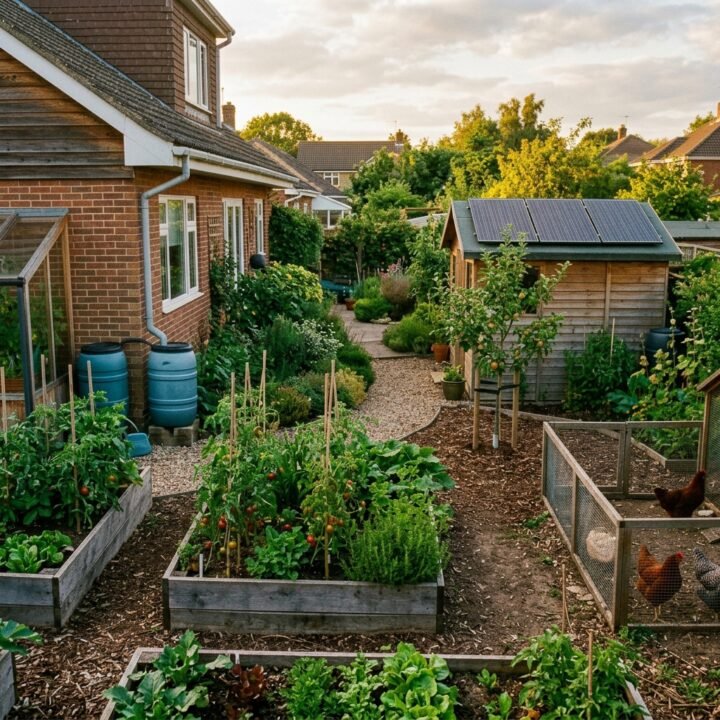 Best for Beginners
 A practical, project-based homesteading guide from a couple with 40 years of off-grid experience. Great starting point for small-plot owners who want to grow food and cut bills step by step.
- Good for
- Beginners and suburban homeowners with a small backyard who want practical self-sufficiency projects
- Skip it if
- Apartment dwellers with no outdoor space and experienced homesteaders looking for advanced technical detail
60-day money back guarantee
How it scored
- Value for money4.4
- Ease of use4.5
- Depth of content4.0
- Author credibility4.7
- Beginner friendliness4.5
What we liked
- Written by authors with 40 years of real off-grid experience
- Step-by-step projects with color photos and diagrams
- Designed for small plots, scalable down to any yard size
- Back-friendly, low-effort gardening methods
- Covers water, power, food, storage and chickens in one book
- Physical book plus 3 digital bonus books
- 60-day money-back guarantee
What could be better
- Some topics are an overview rather than a deep dive
- Mainly written for North American climates and rules
- Rainwater storage rules vary by location, so local checks are needed
- Main book is physical, so delivery takes time
Key facts
| Format | Physical book + 3 digital bonuses |
|---|---|
| Authors | Ron and Johanna Melchiore |
| Experience | 40+ years living off the grid |
| Land needed | Designed for 1/4 acre, scalable down |
| Skill level | Beginner friendly |
| Bonuses | The Aquaponic Gardener, DIY Projects from the 1900s, Where Free Land Can Still Be Found in the US |
| Sold via | Digistore24 |
| Refund | 60-day money-back guarantee |
| Refund | 60 days |
| Last tested | October 5, 2026 |
On this page
The Self-Sufficient Backyard Review: A Practical Homesteading Book From 40 Years Off the Grid
Rising food prices, high energy bills and a general feeling that things can change overnight have pushed a lot of people toward growing their own food and cutting monthly costs. The Self-Sufficient Backyard is one of the more popular books in this space, and it comes from a couple who have lived the lifestyle for decades rather than people who just write about it.
In this review we look at who wrote it, what you actually get, where it shines, where it falls short and who should buy it.
Disclosure: VerdictSeal may earn a commission if you buy through links on this page. This does not change the price you pay.
Quick Verdict
| Product | The Self-Sufficient Backyard: For The Independent Homesteader |
| Authors | Ron and Johanna Melchiore |
| Format | Physical book plus 3 digital bonus books |
| Best for | Beginners and small-plot homeowners who want practical projects |
| Guarantee | 60-day money-back guarantee |
| Our rating | 4.3 / 5 |
Who Are Ron and Johanna Melchiore?
Ron and Johanna are part of the “back to the land” movement that started in the late 1970s. According to the authors, their homes have never been connected to the power grid in over 40 years. They spent many years on a remote homestead in Northern Saskatchewan, Canada, where the nearest pharmacy was around 100 miles away with no road access, so self-reliance was not a hobby for them, it was survival.
Now in their 60s, they have moved to Nova Scotia and started their third homestead, this time designed to be low maintenance and easy on the body. The book is built around that newer, smaller approach.
Ron grew up in Philadelphia as a city kid, which matters here. The book is written for people who are starting from zero, not for experienced farmers.
What Is The Self-Sufficient Backyard?
It’s a step-by-step homesteading guide built around one central idea: a family of four can become largely self-sufficient on a quarter acre of land. The authors say their methods need roughly 1,020 square feet of growing space per person for food, and the plan is designed to scale down if you have a smaller yard or fewer people.
Each project comes with color photos, sketches and practical tips. It reads more like a workshop manual from people who have made the mistakes already than a theory book.
What’s Inside the Book
Here is a breakdown of the main topics covered.
Water independence. The book covers rainwater collection with low-cost tanks, wells, hand pumps and filtering. The authors walk through the different water systems they have tried over the years, along with what worked and what didn’t.
Off-grid and hybrid electricity. There is a detailed section on setting up a hybrid power system, including batteries, charge controllers, inverters and cabling. If you stay connected to the grid, the same setup can help cut your bills.
Year-round greenhouse. One of the strongest chapters. It explains placement, insulation, glazing angles, ventilation and heat storage, plus an upgrade that uses underground pipes to take advantage of stable ground temperature.
Food growing in small spaces. Raised beds, hoop tunnels, trellises, straw bale gardens, container and windowsill growing, and a chapter called “easy on the back gardening” for people who can’t do much bending.
Microgreens and small cash crops. The authors explain how they grow microgreens indoors through winter and list a few other crops that can bring in a small side income from a homestead.
Chickens. A full section on raising backyard chickens for eggs and meat, including coop design and tips for keeping hens productive.
Natural pest control. Instead of pesticides, the book shows how to attract birds and bats with simple houses so they handle insect control for you.
Root cellars and food preservation. Several root cellar designs, from full-size to small barrel versions, plus methods for preserving eggs, vegetables, fruit and meat without relying on electricity.
Compost, seeds and orchards. A compost tower that feeds plants directly from kitchen scraps, a seed saving and storage guide, and how to set up a low-maintenance fruit orchard.
Medicinal garden. Seven plants the authors grow and use, with care instructions and how they turn them into tinctures.
Money-saving tips. Around 100 tips spread through the book covering electricity, food, water, repairs, tools and heating.
The 3 Digital Bonuses
Buyers also get three digital books at no extra cost:
- The Aquaponic Gardener – how to set up a small fish-and-plant system in a backyard, basement or greenhouse.
- DIY Projects from the 1900s – old-time skills like smokehouses, charcoal making, simple traps, wood stoves and solar water heaters.
- Where Free Land Can Still Be Found in the US – a guide to locations offering free or very cheap land for people willing to build and live on it.
The third bonus is mostly useful for US readers. Free land programs usually come with conditions, so treat it as a starting point for research rather than a guarantee.
Pros
- Written by people with real, long-term off-grid experience, not a ghostwriter
- Very practical, project-based layout with photos and diagrams
- Designed for small plots, so suburban homeowners can use it
- Strong focus on low effort and back-friendly methods, which suits older readers
- Covers a wide range of topics in one place: water, power, food, storage and animals
- Physical book you can keep in the garden shed or workshop
- 60-day money-back guarantee lowers the risk
Cons
- It covers a lot of ground, so some topics are an overview rather than a deep dive. One verified buyer even noted that the book points you in the right direction for further research rather than covering every detail.
- Mainly written with North American climates and rules in mind. Readers in Europe or the UK will need to adapt some advice, especially around land, building permits and water rules.
- Rainwater collection rules differ by location. In some areas there are limits on how much you can store, so check your local regulations before building a large system.
- The medicinal garden section shares the authors’ personal experience. It’s not a replacement for medical advice, and anyone on medication should check with a doctor before using herbal remedies.
- The sales page is quite dramatic in tone. The book itself is far more practical and calm than the marketing suggests.
Who Is This Book For?
A good fit if you:
- Own a house with a small or medium backyard and want to grow more of your own food
- Want to lower bills step by step instead of making a big lifestyle jump
- Are a beginner who likes clear, illustrated project instructions
- Are older or have back problems and need low-strain gardening methods
- Are planning to buy land for a homestead and want to avoid common mistakes
Probably not for you if you:
- Live in an apartment with no outdoor space (some indoor projects still apply, but most of the value is outdoors)
- Are already an experienced homesteader looking for advanced, highly technical detail
- Want a purely digital product, since the main book is physical
What Readers Say
Reviews shared on the official site are positive overall. Common themes include the value of the quarter-acre garden layout, the clear step-by-step style and the fact that the advice comes from decades of real experience. One buyer mentioned that reading the first part of the book stopped them from making costly mistakes when choosing land. Another praised the seller’s customer service when sorting out an issue with their order.
A fair point raised by one reader is that the book looked shorter than expected at first, but turned out to be packed with direct, no-filler information.
Is There a Money-Back Guarantee?
Yes. The book comes with a 60-day money-back guarantee. If it doesn’t suit you, you can request a full refund within that window. Product support is available through the vendor’s official support email listed on the sales page.
Final Verdict
The Self-Sufficient Backyard is a solid, practical guide for anyone who wants to grow more food, lower bills and become a bit more independent on a normal-sized property. Its biggest strength is that it comes from 40 years of lived experience, and the advice reflects that. It’s not an encyclopedia on every topic, but as a hands-on starting point with dozens of doable projects, it delivers good value, especially with the 60-day guarantee behind it.
If you’ve been thinking about starting a backyard homestead but didn’t know where to begin, this book is a sensible first step.
Questions buyers ask
Is The Self-Sufficient Backyard legit?
Yes. It is written by real off-grid homesteaders, sold through Digistore24 and backed by a 60-day money-back guarantee.
Is it a physical book or an ebook?
The main book is a physical copy. The three bonus books are digital.
Do I need a lot of land?
No. The plan is built on a quarter acre for a family of four and can be scaled down to a smaller yard.
Is it good for complete beginners?
Yes. Every project is explained step by step with photos and diagrams, and no special skills are needed.
Does it work outside the US?
Most gardening, storage and DIY projects work anywhere. Some parts, like free land and legal topics, are US focused.
Is it legal to collect rainwater?
In most places yes, but some areas limit storage or need permits. Check your local rules first.
Would you buy The Self-Sufficient Backyard?
Tap an answer to see what other readers think.

Written by the VerdictSeal team. We compare specs, prices across stores, refund terms and what real buyers say, so you can decide with fewer surprises.
How we review